The telecommunications sector is the backbone of modern business, public safety, healthcare, and everyday communication. From powering 5G networks to enabling cloud connectivity and IoT infrastructure, telecom companies operate in a fast-moving, highly regulated, and capital-intensive environment. However, with rapid technological change and increasing demand comes significant risk.
Understanding the challenges facing the telecommunications industry is the first step toward building a resilient, future-ready operation. In this blog, we’ll explore key telecom industry challenges, major telecom industry issues, and practical strategies telecom companies can use to reduce risk and strengthen business continuity.
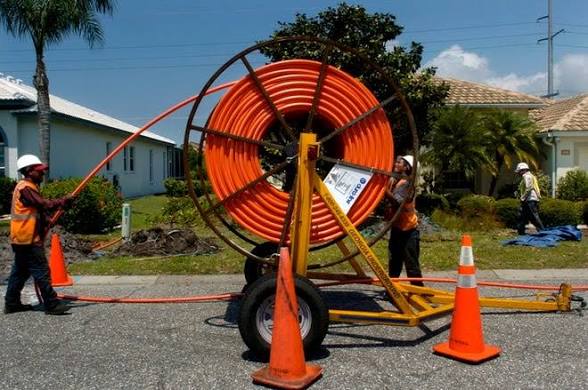
Understanding the Modern Telecom Landscape
Telecom infrastructure has evolved dramatically in recent years. Companies now manage:
- 5G and small cell deployments
- Fiber optic networks
- Data centers and cloud interconnects
- Smart city infrastructure
- Disaster recovery communication systems
While these advancements create growth opportunities, they also introduce operational complexity and risk exposure.
Key Challenges for the Telecommunication Industry
1. Infrastructure Vulnerability
One of the most pressing telecom industry issues is infrastructure vulnerability. Telecom networks are exposed to:
- Severe weather (especially in hurricane-prone regions like Florida)
- Power outages
- Physical damage
- Cybersecurity threats
- Aging legacy systems
Without strong construction standards and regular maintenance, even minor disruptions can lead to widespread service outages.
2. Regulatory and Compliance Risks
The telecom sector is heavily regulated at federal, state, and local levels. Companies must comply with:
- Permitting requirements
- Environmental regulations
- Safety standards
- Zoning laws
Delays in approvals or non-compliance can halt projects and result in financial penalties. This is one of the most significant challenges for the telecommunication industry, particularly in high-growth states like Florida.
3. Rapid Technological Changes
Technology evolves quickly. Telecom providers must continuously invest in:
- 5G upgrades
- Fiber expansion
- Network virtualization
- Cloud integration
Failing to adapt results in competitive disadvantage. However, rapid upgrades also increase operational risk if not planned and executed strategically.
4. Supply Chain Disruptions
The telecom industry relies on global supply chains for:
- Network equipment
- Fiber materials
- Towers and hardware
- Specialized tools
Supply shortages or delays can derail deployment timelines and increase costs.
5. Natural Disaster Exposure
Florida is especially vulnerable to hurricanes and flooding. These events can:
- Damage telecom towers
- Destroy fiber lines
- Cause prolonged service outages
- Disrupt emergency communication systems
This makes proactive planning essential for companies investing in telecom construction services in Florida.
Strategies to Reduce Risk and Improve Business Continuity
Now that we’ve identified the major telecom industry challenges, let’s explore how companies can build resilience.
1. Invest in High-Quality Telecom Infrastructure
Strong infrastructure is the foundation of business continuity. Partnering with experienced providers of communication construction in Florida ensures:
- Proper installation techniques
- Compliance with local codes
- Structural reinforcement
- Long-term durability
- Reduced maintenance costs
Well-constructed infrastructure minimizes downtime and withstands environmental stress.
2. Develop a Comprehensive Risk Management Plan
Telecom companies should conduct detailed risk assessments that include:
- Natural disaster modeling
- Cybersecurity vulnerability scans
- Infrastructure health audits
- Regulatory compliance reviews
A well-documented disaster recovery plan should outline:
- Backup power strategies
- Emergency response teams
- Redundant routing paths
- Data backup systems
Proactive planning significantly reduces downtime during unexpected events.
3. Build Network Redundancy
Redundancy is essential for business continuity. This includes:
- Dual fiber routes
- Backup cell towers
- Distributed data centers
- Automatic failover systems
Redundant systems ensure that if one component fails, another can immediately take over—reducing customer impact.
4. Strengthen Cybersecurity Measures
Cyber threats are growing rapidly. Telecom networks are prime targets due to the volume of sensitive data they handle.
Best practices include:
- Zero-trust security models
- Multi-factor authentication
- Real-time monitoring
- Encrypted communication channels
- Regular penetration testing
Addressing cybersecurity is a critical solution to modern telecom industry issues.
5. Prioritize Preventive Maintenance
Routine inspections and preventive maintenance reduce the risk of sudden equipment failures.
Key actions include:
- Scheduled tower inspections
- Fiber optic performance testing
- Generator maintenance
- Battery backup checks
Preventive maintenance lowers repair costs and extends asset lifespan.
6. Use Smart Monitoring and Automation
AI-driven monitoring systems can detect anomalies before they escalate into outages.
Smart systems help telecom companies:
- Monitor tower stability
- Track network traffic
- Detect fiber cuts
- Identify performance bottlenecks
Automation reduces human error and speeds up response times.
7. Diversify Supply Chains
To overcome supply chain-related telecom industry challenges, companies should:
- Work with multiple vendors
- Stock critical spare parts
- Develop local sourcing partnerships
- Forecast material needs accurately
Diversification prevents single points of failure in equipment procurement.
8. Invest in Skilled Workforce and Training
The telecom sector requires specialized expertise in:
- Fiber installation
- Tower construction
- Electrical systems
- Network engineering
Ongoing workforce training ensures that teams can respond effectively during emergencies.
The Role of Professional Telecom Construction
Reliable construction plays a critical role in minimizing risk. Whether installing fiber networks, building towers, or upgrading 5G systems, professional execution directly impacts service reliability.
Companies offering telecom construction services in Florida understand:
- Local climate challenges
- Regional permitting processes
- Environmental regulations
- Infrastructure resilience requirements
Partnering with experienced providers of communication construction in Florida helps telecom operators maintain compliance, reduce liability, and ensure long-term operational stability.
Why Business Continuity Matters More Than Ever
Today’s businesses, hospitals, schools, and government agencies depend heavily on uninterrupted connectivity. Even short outages can result in:
- Financial losses
- Reputation damage
- Customer churn
- Legal complications
As digital transformation accelerates, the pressure on telecom companies increases. Addressing challenges for the telecommunication industry requires proactive infrastructure planning, strategic partnerships, and long-term resilience strategies.
The telecom sector faces numerous risks—from natural disasters and regulatory hurdles to cybersecurity threats and rapid technological evolution. These telecom industry issues cannot be eliminated entirely, but they can be managed effectively with the right approach.
By investing in durable infrastructure, building redundancy, strengthening cybersecurity, and partnering with experienced providers of telecom construction services in Florida, companies can significantly reduce risk and improve business continuity.
Ultimately, resilience is not just about preventing outages—it’s about building a telecom network that can adapt, recover, and thrive in any circumstance.
For telecom companies operating in Florida, choosing a trusted partner in communication construction in Florida can make the difference between reactive crisis management and proactive business continuity success.
